
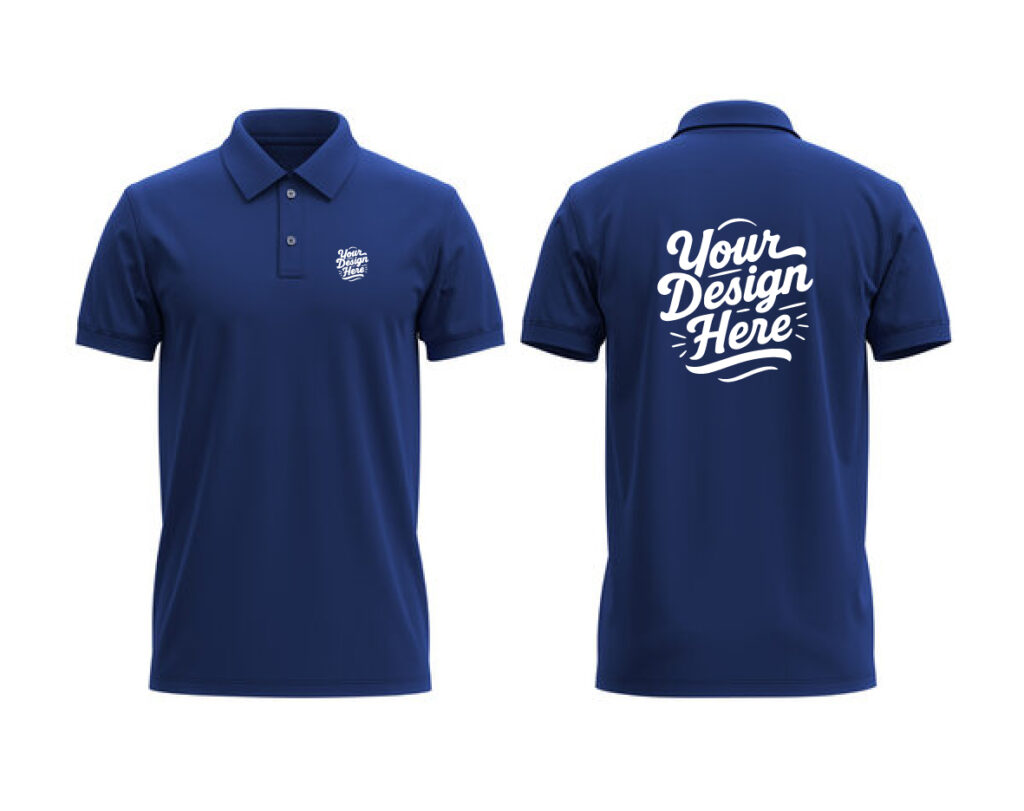
Custom uniforms do more than make a team look consistent. They need to be comfortable enough for the job, practical for the UAE climate and easy to reproduce when new staff join. A uniform that looks good in a mockup but feels uncomfortable after a full workday will quickly become a problem.
The best place to start is the role itself. Reception teams, retail staff, warehouse teams, field workers and event crews all need different things from their clothing.
Start with the work environment
Think about where the uniform will actually be worn. An indoor office or showroom can support a more structured polo or shirt, while outdoor or active roles may need lighter, more breathable fabrics.
If staff move between indoor and outdoor spaces, comfort and easy care usually matter more than choosing the heaviest fabric available.
Choose the garment before the branding
It is tempting to begin with the logo, but the garment should come first. The fit, fabric and colour determine how comfortable the uniform feels and which branding methods are suitable.
For many businesses, custom T-shirts and polos are a practical starting point. For colder environments or layered staff clothing, hoodies and jackets may be useful as part of the uniform set.
Think about the UAE climate
For teams working outdoors, in warehouses or moving between sites, breathable fabric can make a noticeable difference. Heavy garments may look premium but may not be practical for long shifts in warm conditions.
Ask about fabric composition, GSM and how the garment performs after repeated washing. The right choice should balance appearance, comfort and durability.
Keep colours practical
Brand colours are important, but uniforms also need to work in the real environment. Very light colours may show marks more quickly in some roles, while very dark colours can feel warmer outdoors.
If your exact corporate colour is not available as a garment, it may be better to use a neutral uniform colour and bring the brand colour into the logo, trim or other details rather than forcing a poor match.
Choose branding based on the garment
Embroidery can work well for polos, caps and some jackets, especially for smaller logos. Screen printing may suit simple artwork and larger repeated orders. DTF can be useful when the design contains more colours or detail.
The best method depends on the fabric, logo size, quantity and print position. If you are comparing print methods, our screen printing vs DTF guide explains the differences in simple terms.
Plan logo placement carefully
A small chest logo is common because it keeps the uniform clean and professional. Depending on the role, a back print or sleeve detail may also be useful for visibility.
Avoid adding branding to every available area just because it is possible. Too many logos can make a uniform feel promotional rather than professional.
Collect the size breakdown before production
A total quantity is not enough for a uniform order. Collect the actual size mix before production and confirm whether the same fit works for everyone.
If the company has regular staff changes, keep the size list updated. A small buffer can help, but ordering too many uncommon sizes can create unnecessary stock.
Consider different roles within the same company
Not every department needs exactly the same garment. Front-of-house staff may suit polos, while event crews may be more comfortable in T-shirts. Supervisors or managers may need a slightly different style while keeping the same overall brand identity.
Using the same colours and logo treatment across different garments can maintain consistency without forcing every employee into one uniform type.
Ask for a mockup before production
A digital mockup helps confirm logo size, placement and garment colour before the full order is produced. Check it at a realistic scale rather than only zoomed in on a screen.
If the order is large or the garment is unfamiliar, ask whether a physical sample is practical before final production.
Plan replacements and future staff
Uniforms are an ongoing business need, not always a one-time order. Staff change, garments wear out and teams grow.
Keep a record of the garment style, colour, branding method and approved artwork. That makes repeat orders easier and helps the uniform remain consistent over time.
What information should you send for a uniform quote?
A clear brief helps a supplier recommend the right option. Include:
- Type of work or team
- Preferred garment style
- Approximate quantity
- Size breakdown
- Garment colour
- Logo or artwork
- Branding positions
- Delivery location
- Required date
If you are also comparing T-shirt pricing, our custom T-shirt printing cost guide explains the main factors that affect a quote.
Planning uniforms for your team?
Send Markevens your team type, quantity, sizes, logo and required date. We can help you compare practical garment and branding options for staff, events and everyday business use.